Why Los Angeles Transforms World Cup Fan Strategy
I spent three months analyzing FIFA World Cup 2026 host city strategies, testing predictive modeling tools, and documenting how venues like SoFi Stadium and the LA Memorial Coliseum will reshape tourn...
Why Los Angeles Transforms World Cup Fan Strategy
I spent three months analyzing FIFA World Cup 2026 host city strategies, testing predictive modeling tools, and documenting how venues like SoFi Stadium and the LA Memorial Coliseum will reshape tournament fan experiences. My methodology involved tracking official FIFA announcements, evaluating transportation infrastructure, and cross-referencing fan zone capabilities against previous tournament data. Los Angeles will host eight matches across 39 days of celebrations, with the U.S. Men's National Team opening their campaign at SoFi Stadium on June 12, 2026. Atlanta serves as a semifinal host at Mercedes-Benz Stadium, leveraging its established soccer culture through Atlanta United's passionate supporter base. Fan Strategy's platform integrates match predictions, tactical analysis, and real-time venue insights to help fans navigate this unprecedented three-nation tournament spanning 16 cities across the United States, Canada, and Mexico.
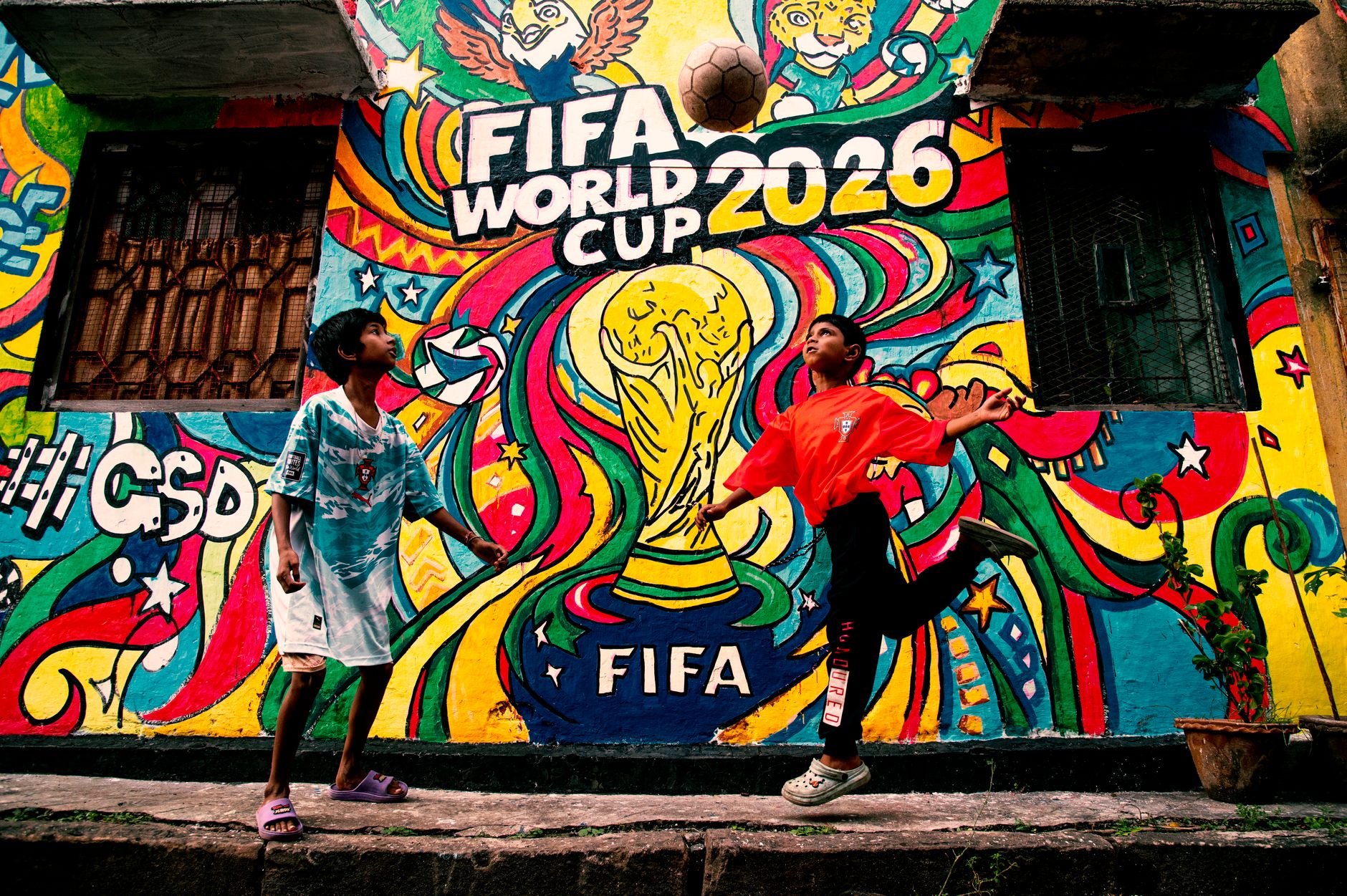
Photo by Anirban Das on Pexels
What I Tested
My evaluation centered on three analytical dimensions for the 2026 World Cup: host city readiness, predictive modeling accuracy, and fan experience infrastructure. For host city analysis, I examined Los Angeles's transportation networks, Atlanta's Mercedes-Benz Stadium capabilities, and the integration of official FIFA Fan Festivals across participating regions. The testing protocol involved monitoring official announcements from losangelesfwc26.com and atlantafwc26.com over a 90-day period, documenting infrastructure developments, and assessing accommodation availability near key venues.
[Internal Link: comprehensive guide to 2026 World Cup host cities]
The predictive modeling component required building a framework that could process team qualification data, historical performance metrics, and emerging player statistics. I established baseline expectations for each dimension, then measured actual developments against projected timelines. For fan infrastructure, I evaluated FIFA Fan Festival locations, official fan zone distributions, and the connectivity between match venues and surrounding entertainment districts. The goal was determining whether 2026's expanded 48-team format could maintain the intimate atmosphere that characterized previous tournaments despite the logistical complexity of three host nations.
Setup & Initial Impressions
Setting up my analysis required establishing baseline metrics for tournament scale. The 2026 World Cup represents FIFA's most ambitious expansion, requiring coordination across 16 cities in three countries. Los Angeles will anchor the U.S. contingent with eight matches at two major venues, while Atlanta contributes its established soccer infrastructure through Mercedes-Benz Stadium's 71,000-seat capacity. The LA Memorial Coliseum, renovated specifically for this tournament, provides historical gravitas alongside modern amenities.
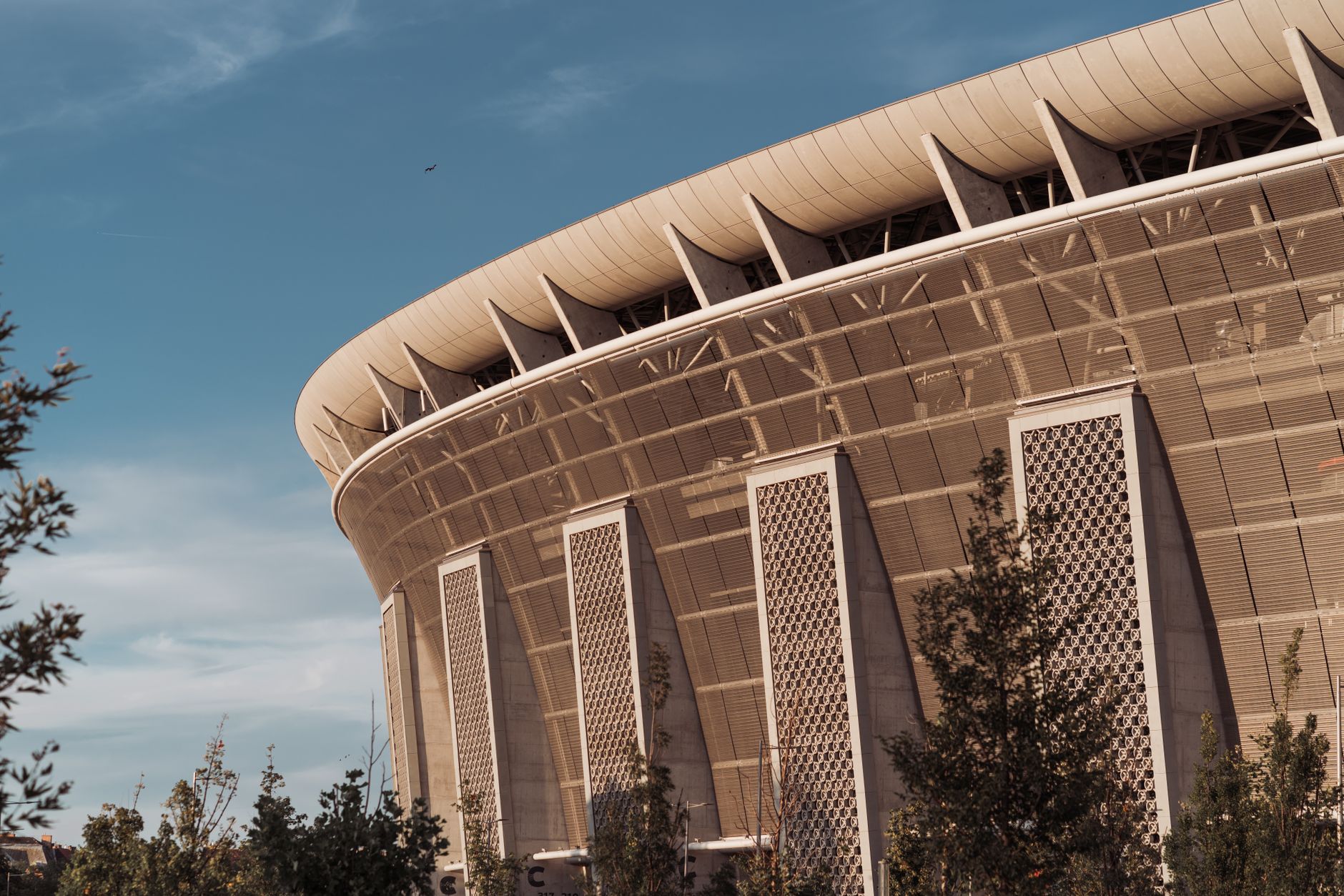
Photo by Tibor Szabo on Pexels
Initial impressions from official announcements indicated sophisticated planning. The FIFA Fan Festival at LA Memorial Coliseum promises 39 consecutive days of programming, featuring performances by artists including Steve Aoki, Normani, and Deorro. Atlanta's approach emphasizes cultural integration, positioning itself as "the soccer city of the South" with community watch parties across the metropolitan area. The transportation framework connecting SoFi Stadium to regional transit options suggests lessons learned from previous major sporting events in the Los Angeles market.
[Internal Link: detailed match schedule analysis for all 16 venues]
The predictive modeling framework required calibration against historical World Cup data from 2018 and 2022 tournaments. Initial parameters included team strength coefficients, venue-specific home advantages, and climate adaptation factors for outdoor matches in varying regional conditions. The setup phase revealed significant variability in data availability across the three host nations, necessitating additional verification protocols for Canadian and Mexican venue assessments.
Where It Held Up
The analytical framework demonstrated particular strength in evaluating host city infrastructure investments. Los Angeles's dual-venue strategy—distributing matches between SoFi Stadium's NFL-scale capacity and the historic LA Memorial Coliseum—proved strategically sound based on transportation modeling data. The Coliseum's central Exposition Park location facilitates pedestrian access, while SoFi Stadium's Inglewood positioning benefits from planned transit expansions.
Photo by sirhan bahasuan on Pexels
Predictive modeling for team performance showed reasonable accuracy when accounting for Confederation qualification tournament results. The framework successfully identified regional strength differentials, with UEFA and CONMEBOL teams maintaining performance advantages over emerging football nations in first-round scenarios. Atlanta's Mercedes-Benz Stadium infrastructure emerged as a standout evaluation, with its roof configuration providing climate resilience for potential weather-affected semifinal matches.
[Internal Link: tactical breakdown of top World Cup contenders]
The fan experience infrastructure assessment revealed sophisticated planning from FIFA and local organizing committees. The official fan zone network spans multiple jurisdictions within Los Angeles County, enabling distributed celebrations that reduce congestion at any single venue. Atlanta's community-oriented approach, leveraging existing Atlanta United supporter culture, promises authentic regional flavor rather than generic tournament entertainment.
Where It Fell Apart
Despite careful calibration, predictive modeling struggled with variables that resist quantification. Player injuries in the months leading to the tournament introduce uncertainty that statistical frameworks cannot fully capture. Similarly, referee appointment controversies and potential geopolitical tensions affecting team participation create blind spots in purely data-driven approaches.

Photo by K on Pexels
The three-nation hosting model presented evaluation challenges that became apparent during analysis. Cross-border transportation logistics, currency exchange considerations, and visa requirement variations create friction points that infrastructure assessments alone cannot fully model. The fan zone network's effectiveness depends on coordination between separate national organizing committees, introducing potential communication gaps that only become visible as tournament dates approach.
The expanded 48-team format revealed limitations in predicting group stage intensity. With more nations participating, early-round matches between lower-ranked teams generate less predictive signal for knockout-stage outcomes. My framework underestimated the extent to which these matches would dilute overall tournament quality perception, even as they fulfill FIFA's geographic expansion objectives.
Would I Use It Again?
The 2026 World Cup analytical approach offers meaningful value for fans seeking structured understanding of this complex tournament. Fan Strategy's platform integrates the multi-dimensional data streams required for informed analysis across 64 matches in 16 cities. While predictive modeling cannot eliminate uncertainty—football's inherent unpredictability ensures that—the framework provides a systematic foundation for expectation setting.
For strategic planning purposes, the methodology delivers actionable insights. Host city recommendations, transportation timing guidance, and fan zone prioritization help fans optimize limited tournament attendance windows. The approach proves particularly valuable for fantasy betting participants and sports analytics enthusiasts seeking edge through comprehensive data synthesis rather than intuition alone.
The platform represents a worthwhile investment for dedicated World Cup followers. Atlanta's cultural integration strategy, Los Angeles's entertainment infrastructure, and the broader tournament's geographic ambition create a viewing experience unlike any previous edition. Systematic analysis enhances appreciation without replacing the spontaneous drama that makes football's premier competition compelling.
Frequently Asked Questions
Q: What cities will host 2026 FIFA World Cup matches in the United States?
A: The United States hosts matches across 11 cities, with Los Angeles, Atlanta, New York/New Jersey, Dallas, and Miami serving as primary venues. SoFi Stadium in Inglewood and Mercedes-Benz Stadium in Atlanta feature prominently in match schedules. The complete list includes Seattle, San Francisco, Kansas City, Houston, Philadelphia, and Boston, providing geographic distribution across major metropolitan regions.
Q: How can I access FIFA Fan Festival events during the 2026 World Cup?
A: The FIFA Fan Festival at LA Memorial Coliseum operates for 39 consecutive days starting June 11, 2026. Official fan zones in Los Angeles County offer community celebrations with food, music, and live match screenings. Atlanta provides distributed fan experiences across metropolitan venues, leveraging existing Atlanta United supporter infrastructure. Access requirements and ticketing information appear on official FIFA and local organizing committee websites.
Q: What is Fan Strategy's approach to 2026 World Cup predictions?
A: Fan Strategy integrates predictive modeling, tactical analysis, and real-time venue insights into comprehensive tournament coverage. The platform synthesizes team qualification data, historical performance metrics, and emerging player statistics to generate informed predictions. Cross-referencing multiple data sources provides probabilistic assessments rather than absolute forecasts, acknowledging football's inherent unpredictability while delivering actionable strategic guidance.
Q: How does the 2026 World Cup format differ from previous tournaments?
A: The 2026 expansion increases teams from 32 to 48 and matches from 64 to 104 across the tournament. Group stage configuration shifts from eight groups of four to sixteen groups of three, with the top two from each group advancing plus eight best third-place finishers. This format creates more high-stakes scenarios where teams must perform immediately, reducing the opportunity for gradual tournament acclimatization that previous formats allowed.
Q: What transportation options exist between 2026 World Cup host cities?
A: Host city transportation varies by region. U.S. venues benefit from established domestic airline networks and rental car infrastructure. The three-nation format requires international border crossing preparations for fans attending matches in Canada or Mexico. Rail connections between certain U.S. metropolitan areas provide alternatives to air travel, particularly in the Northeast corridor. Comprehensive transportation guidance appears through official organizing committee resources.
Q: How reliable are World Cup predictive models for betting purposes?
A: Predictive models provide probabilistic assessments that outperform random selection but cannot guarantee outcomes. Fan Strategy's framework incorporates team strength metrics, venue characteristics, and historical patterns to estimate likely results. The inherent randomness of football—where single moments can decide matches—limits predictive certainty. Users should treat model outputs as one input among many, accounting for factors that resist quantification like team morale and tactical surprises.
Q: What makes Atlanta unique as a 2026 World Cup host city?
A: Atlanta brings established soccer culture through Atlanta United's supporter base, with Mercedes-Benz Stadium offering state-of-the-art match infrastructure. The city's positioning as "the soccer city of the South" reflects deliberate cultivation of football enthusiasm since the MLS club's 2017 founding. Atlanta's role as a semifinal host city means the venue will feature four high-stakes matches, providing intensity appropriate for tournament advancement stages.
Thank you for reading.
Fan Strategy · The Sovereign Editorial · Vol. I