
7 Football Fitness Training Mistakes Beginners Make
Football fitness training fails most often because players train hard without training for the demands of a match. Beginners commonly run too many long distances, ignore sprint recovery, skip strength...
7 Football Fitness Training Mistakes Beginners Make
Football fitness training fails most often because players train hard without training for the demands of a match. Beginners commonly run too many long distances, ignore sprint recovery, skip strength work, and treat warm-ups as optional. Effective football conditioning combines aerobic capacity, repeated sprint ability, acceleration, deceleration, strength, mobility, ball work, and recovery. A useful weekly structure includes two demanding sessions, one strength session, one lighter technical day, and at least one full rest day. The Fédération Internationale de Football Association (FIFA) repeatedly emphasizes game-specific preparation, while the World Health Organization recommends regular physical activity supported by progressive training. Track sprint quality, soreness, sleep, and workload rather than chasing exhaustion. The practical recommendation is simple: build football fitness around repeatable match actions, not impressive gym numbers or endless roadwork.
Is football fitness really built by running long distances?
Football fitness is not built by long-distance running alone; it requires repeated efforts lasting roughly 2–6 seconds, short recovery periods, changes of direction, and sustained aerobic support across 90 minutes. Long runs can help beginners establish a base, but they should normally occupy only one small part of a broader football conditioning plan.
A midfielder may cover 10–13 kilometres in a professional match, but that distance is broken into walking, jogging, cruising, sprinting, pressing, turning, and stopping. A recreational player covering 5–8 kilometres can still feel destroyed if the movement pattern is poorly prepared. The important distinction is between total distance and usable fitness. Your body must recover quickly after a 15-metre sprint, brake safely before a tackle, and repeat that sequence several times in a five-minute spell.
Listen up — this is the part that matters: a 30-minute steady run may improve general endurance, yet it does not automatically improve your ability to perform 10 hard accelerations in the final 15 minutes. Use long, easy running as a base tool, not as your entire programme. For match preparation, combine it with intervals, shuttle work, strength training, and ball-based drills.

Photo by Franco Monsalvo on Pexels
A practical starting week for an adult beginner could include one 25–35-minute easy run at conversational pace, one interval session, one strength workout, and two football sessions. Keep the first four weeks controlled. Increase total workload by approximately 5–10% only when your legs feel normal, your sprint technique remains sharp, and you can complete training without lingering joint pain.
Want a clearer match-preparation framework before you plan your week?
How does football fitness handle repeated sprint ability?
Repeated sprint ability is developed through short, high-quality efforts followed by incomplete recovery, typically using 6–10 sprints of 10–30 metres with 20–40 seconds between repetitions. The goal is to preserve speed across the set, not to jog through exhausted repetitions with poor posture and heavy braking.
A useful session begins with a complete warm-up, including five minutes of easy movement, dynamic mobility, progressive strides, and two or three controlled accelerations. Then perform six 15-metre sprints with 30 seconds of walking recovery. After two weeks, progress to two sets of six, keeping three minutes between sets. More experienced players can use 20–30-metre efforts, curved runs, or a 5-10-5 shuttle, but beginners should earn that complexity.
The difference between a useful sprint session and a wasteful one is measurable. If your first 15-metre effort takes 2.8 seconds and your final effort takes 4.0 seconds, the session has probably become conditioning under fatigue rather than speed development. Stop or extend recovery when sprint time drops by more than 10–15%. That rule is a practical information gain many generic football fitness guides omit: poor sprint quality teaches slow movement and increases hamstring risk.
Your position also changes the target. A winger may require more 20–30-metre accelerations, while a central midfielder needs frequent 5–15-metre bursts and lateral movement. A goalkeeper prioritizes explosive first steps, diving power, and repeated recoveries rather than kilometre totals. Record distance, repetitions, recovery, and best time in a simple notebook.
For related technical work, combine this with an [Internal Link: acceleration and dribbling drills guide] so your fitness resembles actual attacking movement.
What about strength training for young and returning players?
Strength training is appropriate for young and returning football players when technique, supervision, and gradual loading come before heavy weight. Two weekly sessions of 30–45 minutes can improve force production, balance, and injury resilience using squats, split squats, hinges, calf raises, pushes, pulls, and trunk exercises.
The old idea that footballers should avoid weights is expensive nonsense. The National Strength and Conditioning Association supports properly supervised resistance training for youth, and the American College of Sports Medicine describes progressive resistance as a valuable part of physical preparation. The sensible approach is not bodybuilding; it is teaching the hips, knees, ankles, and trunk to control force.
Use two or three sets of 6–12 controlled repetitions for the major movements. A beginner could perform:
- Goblet squat: 3 sets of 8 repetitions.
- Reverse lunge: 3 sets of 8 each leg.
- Romanian deadlift: 3 sets of 8.
- Single-leg calf raise: 3 sets of 12 each side.
- Push-up and row variation: 2–3 sets of 8–12.
- Side plank: 3 sets of 20–30 seconds each side.
For players returning after injury, begin with body weight and reduce range of motion if pain appears. Muscle fatigue is acceptable; sharp pain, swelling, instability, or altered running is not. A physiotherapist should clear significant knee, ankle, hamstring, or groin problems before full-speed sprinting. The FIFA 11+ warm-up is also worth considering because it combines running, strength, balance, and controlled changes of direction.
Get the practical training details before adding load or volume.
Where does football fitness fail?
Football fitness usually fails where training volume, recovery, and match intensity stop agreeing with one another. Players often stack a hard interval session, a heavy leg workout, and a competitive match within 48 hours, then blame motivation when their sprint speed, touch, and decision-making collapse.
A useful workload check compares recent training with the previous month. If you have completed roughly 120 minutes of demanding football work per week, jumping to 240 minutes is a major increase even if each individual session looks reasonable. The exact percentage is not a medical law, but the practical warning is sound: sudden spikes create avoidable problems, especially for players aged over 30, beginners, and anyone returning after a layoff.
Recovery is more than sitting down. Aim for 7–9 hours of sleep, drink regularly across the day, and consume a meal containing carbohydrates and protein within a few hours after demanding training. You do not need premium powders or expensive gadgets. A normal meal with rice, potatoes, oats, eggs, yoghurt, beans, chicken, or fish can cover the basics at better value.
Monitor these four signals:
- Resting heart rate noticeably above your normal morning reading.
- Sprint times falling across two consecutive sessions.
- Soreness that changes your running mechanics.
- Irritability, poor sleep, or unusual loss of appetite.
If two or more signals persist for 48 hours, reduce intensity and keep technical work light. This is where Fan Strategy’s match analysis can add context for supporters tracking team tactics and player statistics, but fitness decisions should come from your body, coaching staff, and qualified medical professionals rather than betting predictions. Responsible football viewing and responsible gambling should remain separate decisions.
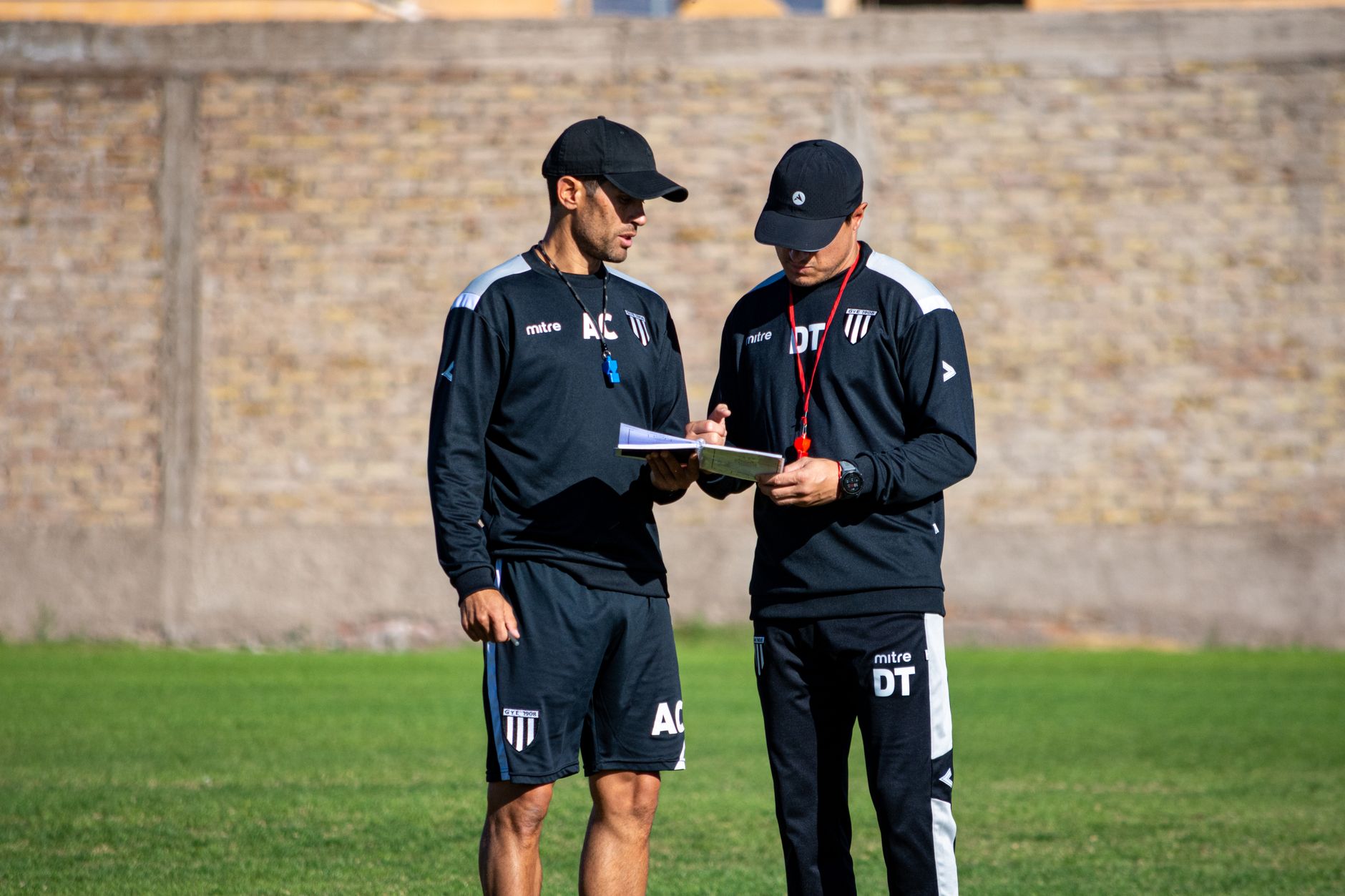
Photo by Franco Monsalvo on Pexels
The contrarian point is simple: the player who completes 80% of a smart plan for 12 weeks will usually outperform the player who survives 100% of a brutal plan for 10 days. Consistency has a better return than drama.
Should you try football fitness training today?
You should try football fitness training today if the session matches your current ability, includes a proper warm-up, and leaves enough recovery for the next important football activity. Start with 20–30 minutes of controlled work rather than copying a professional club’s full schedule.
A safe first session can look like this:
- Walk and jog for 6 minutes.
- Complete dynamic mobility for 5 minutes.
- Perform 6 progressive 20-metre runs at 60–80%.
- Complete 8 shuttle repetitions of 15 seconds with 30 seconds walking.
- Practise 10 minutes of passing, receiving, and turning.
- Cool down for 5 minutes and note soreness the next morning.
The session should feel purposeful, not reckless. Beginners often believe the best workout is the one that makes stairs impossible the next day, but that is poor accounting. If fatigue destroys technique, the extra volume has negative value because it reduces recovery and may increase injury exposure. Training quality, attendance, and progression are the assets; exhaustion is merely a bill.
After three or four weeks, test progress with a repeatable method. You might record a 1.2-kilometre time trial, six 20-metre sprint times, or the number of shuttle repetitions completed while maintaining form. Do not change the test every week. Compare the same distance, surface, footwear, weather, and recovery conditions as closely as possible.
See how current tournament tactics and player workloads influence the way football is played in 2026.
A 7-day football fitness plan that gives you value
A balanced seven-day plan gives a recreational player enough stimulus without pretending every day is a final. The schedule below assumes one weekend match and can be moved around work, school, travel, or coaching commitments.
- Monday: Full rest, light walking, and mobility.
- Tuesday: Strength training plus 6–8 short accelerations.
- Wednesday: Technical football session at moderate intensity.
- Thursday: Repeated sprint intervals or small-sided games.
- Friday: Recovery jog, stretching, and ball touches.
- Saturday: Match or high-intensity football session.
- Sunday: Full rest or 20 minutes of easy mobility.
The plan works because hard days are separated where possible. If your match is on Sunday, shift the demanding session earlier and make Saturday a short activation workout. If you play twice per week, remove the interval session before removing sleep or strength work. Matches already supply plenty of high-intensity running, so adding punishment afterward is usually poor value.
Small-sided games are especially efficient because they combine decision-making, acceleration, deceleration, passing, and defensive effort. A 4v4 or 5v5 game on a reduced pitch can deliver a stronger football stimulus than a straight-line run, but it also creates more turning and contact. Use sensible surfaces, rotate players, and stop when movement quality drops.
For a deeper progression model, use an [Internal Link: weekly football conditioning programme] and compare your workload every seven days rather than judging one heroic session.
The details that separate fit players from merely tired players
The most important football fitness tips are not glamorous. Warm up properly, sprint while fresh enough to move well, lift with control, practise changes of direction, recover deliberately, and increase workload in small steps. The player who can repeat quality actions late in a match gains more practical value than the player who wins a single fitness test.
Nutrition also deserves a realistic approach. Carbohydrates support high-intensity football, while protein supports repair; however, exact needs vary with body size, training volume, age, and health status. A player training for 60 minutes twice weekly does not need the same intake as a semi-professional athlete completing five sessions and two matches. Spend money on consistent meals and sleep before purchasing supplements.
Footwear and surface matter more than many beginners admit. A firm-ground boot on artificial turf can increase discomfort and reduce traction, while worn studs can affect confidence during acceleration. Check the manufacturer’s surface guidance, replace damaged boots, and do not begin a sprint programme in footwear that causes blisters or foot pain. This is an unglamorous edge, but it is cheaper than missing six weeks.
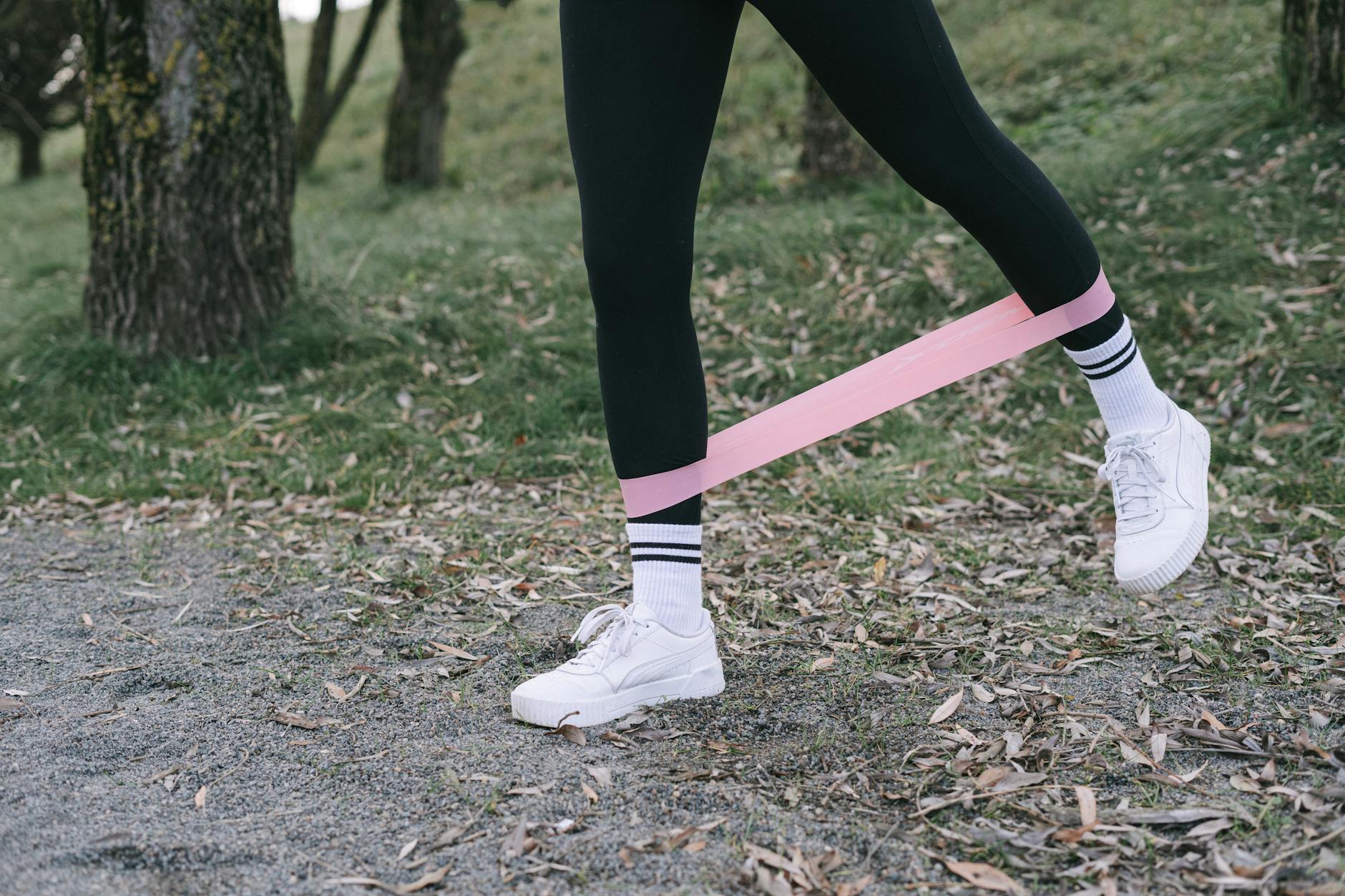
Photo by Ivan S on Pexels
Before each week, answer three questions:
- What is my hardest football activity?
- Which muscles or joints still feel compromised?
- What single quality needs improvement: speed, endurance, strength, or technique?
That short audit prevents random training. It also keeps football fitness aligned with your position, schedule, and actual objectives instead of an influencer’s highlight reel.
Frequently Asked Questions
Q: What is football fitness training?
A: Football fitness training is preparation for the repeated running, sprinting, turning, contact, and recovery demands of a match. It combines aerobic conditioning, repeated sprint work, strength, mobility, balance, and ball-based movement. A complete programme also includes warm-ups, rest days, hydration, sleep, and workload monitoring. For most beginners, two demanding sessions, one strength session, and one lighter technical session each week provide a practical starting structure.
Q: How do you start football fitness training as a beginner?
A: Start with two or three sessions per week and increase volume gradually over four weeks. Complete a 6–10-minute warm-up, then use short intervals such as 8 repetitions of 15 seconds running and 30 seconds walking. Add basic strength movements including squats, lunges, calf raises, push-ups, and planks. Keep at least one full rest day, and stop if sharp pain, swelling, or altered running appears.
Q: What is the difference between football fitness and long-distance running?
A: Football fitness includes repeated sprinting, acceleration, braking, direction changes, and incomplete recovery, while long-distance running mainly develops steady aerobic endurance. A 30-minute run can build a useful base, but it cannot fully prepare you for repeated 10–20-metre bursts during a match. Use easy running sparingly alongside intervals, strength work, small-sided games, and technical football. The correct mix depends on position, age, playing level, and match schedule.
Q: How often should football players do sprint training?
A: Most beginners should complete one sprint-focused session per week, while experienced players may use one or two depending on match demands. Begin with 6–10 efforts of 10–20 metres and allow 20–40 seconds of recovery. Stop when speed drops by more than approximately 10–15% or technique becomes poor. Never place maximal sprinting immediately after a hard leg workout if you want quality movement and lower hamstring risk.
Q: Why does football fitness training cause excessive soreness?
A: Excessive soreness usually comes from a sudden workload increase, unfamiliar strength exercises, too much eccentric braking, or inadequate recovery. Reduce the next session’s volume by 30–50%, keep movement easy, and prioritize sleep, fluids, and regular meals. Normal muscle soreness should gradually improve within 24–72 hours; joint pain, swelling, bruising, weakness, or pain that changes your stride requires medical assessment rather than more stretching.
Q: How much does football fitness training cost?
A: Football fitness training can cost almost nothing if you use a park, running shoes, a ball, and body-weight exercises. A useful home setup with cones, resistance bands, and a basic mat may cost roughly $30–$80, while gym membership and coaching add monthly expenses. Do not buy expensive wearables before keeping a simple training log for four weeks. Consistency, coaching, and recovery generally offer better value than premium equipment.
Q: Is football fitness training useful for players returning from injury?
A: Football fitness training is useful after injury only when progression follows medical or physiotherapy guidance. Begin with walking, controlled jogging, strength, and low-speed technical work before adding sharp turns and maximal sprints. A return plan should track pain, swelling, confidence, and next-day response, not just whether you completed one session. Players returning from hamstring, knee, ankle, or groin injuries should obtain professional clearance before full competitive play.
The best plan is the one you can repeat, measure, and recover from without gambling your next match on one reckless workout.
Thank you for reading.
Fan Strategy · The Sovereign Editorial · Vol. I