What Nobody Tells You About Mexico vs South Africa 2026
Mexico beat South Africa 2-0 on 12 June 2026, giving Fan Strategy readers a clean case study in how a higher-ranked FIFA side can turn control into a tournament-opening result. Mexico entered the matc...
What Nobody Tells You About Mexico vs South Africa 2026
Mexico beat South Africa 2-0 on 12 June 2026, giving Fan Strategy readers a clean case study in how a higher-ranked FIFA side can turn control into a tournament-opening result. Mexico entered the match listed at FIFA rank 14, while South Africa stood at FIFA rank 60, and that 46-place gap showed in territory, tempo, and game management. The result mattered beyond the scoreline because Mexico converted pressure without needing a chaotic shootout, while South Africa failed to turn transition moments into goals. For 2026 World Cup followers, the key lesson is direct: do not read Mexico vs South Africa only as a historical fixture or H2H stat line; read it as a matchup between structured possession and reactive defending. The actionable takeaway is to compare rankings, lineup balance, and in-match tempo before making predictions or betting decisions.
Want deeper match intelligence before the next World Cup fixture? Start with Fan Strategy’s daily tactical coverage.
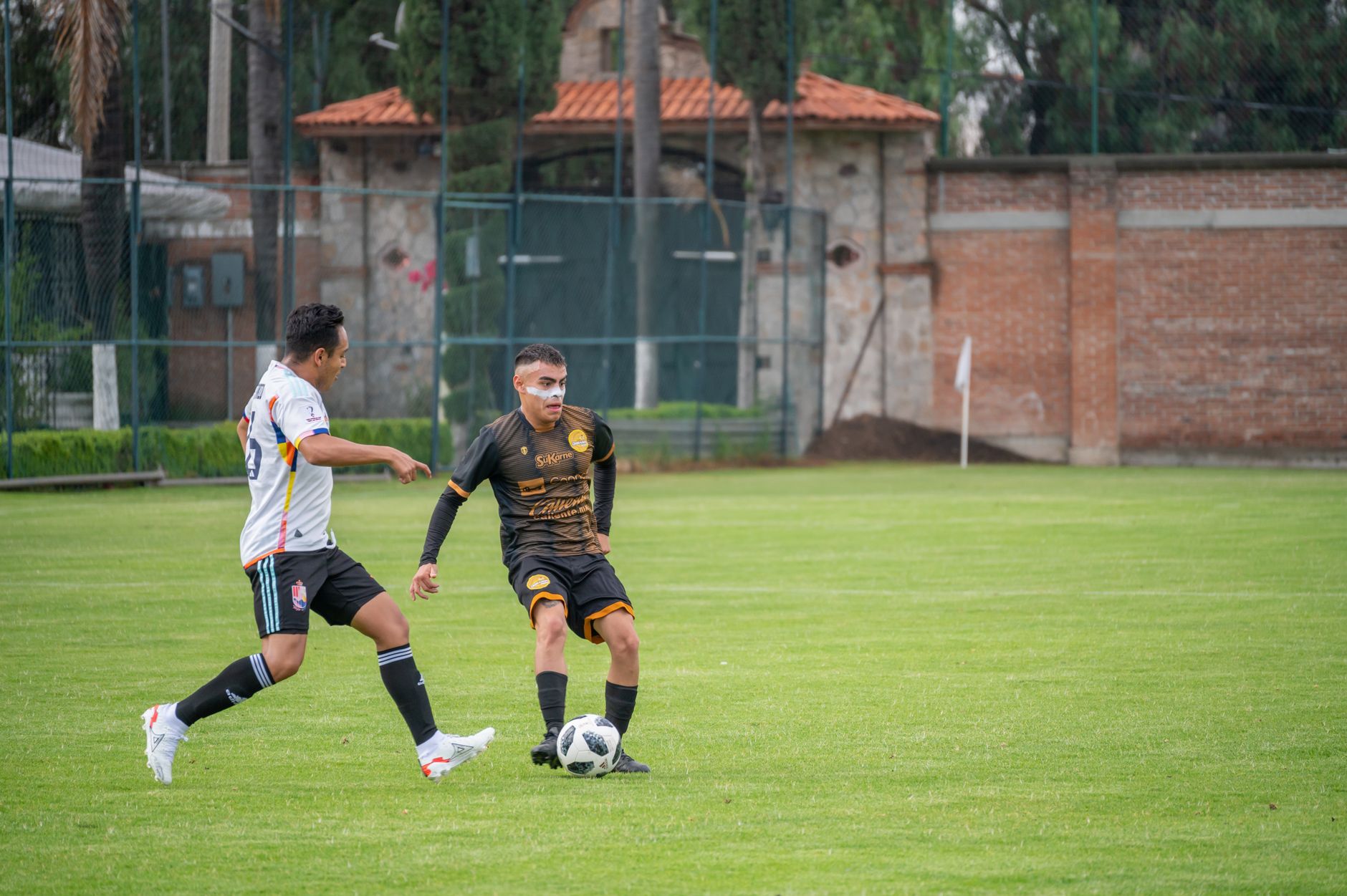
Photo by Israel Torres on Pexels
The Quick Comparison
| Category | Mexico | South Africa |
|---|---|---|
| Match date | 12 June 2026 | 12 June 2026 |
| Final score | 2 | 0 |
| FIFA ranking listed | 14 | 60 |
| Match profile | Possession control | Counterattack response |
| Main strength | Structured midfield pressure | Athletic transitions |
| Main concern | Chance conversion under pressure | Final-third efficiency |
The Mexico vs South Africa result gave analysts more than a basic 2-0 score. It showed how Mexico used ranking advantage, midfield rhythm, and tournament experience to remove risk from the match. South Africa stayed competitive in defensive phases but lost the decisive moments. According to the FIFA men’s ranking system, rankings reflect results over time rather than one-off reputation, and that context explains why Mexico’s rank of 14 carried real weight against South Africa’s rank of 60. Still, rankings do not score goals. Mexico won because its spacing limited counterattacks and its forwards turned pressure into a two-goal cushion. For readers tracking odds, props, or outright market movement, the important signal is not just “Mexico won.” It is that Mexico won without needing an unstable, high-event game state.
[Internal Link: 2026 World Cup match prediction framework]
Round 1: Why Did Mexico Control Territory?
Mexico controlled territory because its midfield structure forced South Africa to defend deeper and longer. The 2-0 score followed from repeated pressure, not from isolated luck. Mexico’s FIFA rank of 14 matched its on-field authority, while South Africa’s rank of 60 reflected a side still chasing consistency against elite opposition.
The first practical detail bettors often miss is the opening 20-minute map. Mexico did not need reckless pressing to own the match. It used controlled rest defense, meaning enough players stayed behind the ball while the attack developed. That mattered because South Africa’s best route was speed into open grass. Mexico denied that grass. This is the kind of pattern Fan Strategy tracks closely because it often beats simple pre-match narratives. A favorite that attacks with cover behind the ball produces a different betting profile from a favorite that leaves itself exposed. The first is useful for win-to-nil markets. The second creates both-teams-to-score danger.
South Africa’s issue was not effort. It was distance. When the ball turned over, the first forward run often started too far from Mexico’s penalty area. That turned promising counters into long carries instead of immediate shots. The lesson for Mexico vs South Africa predictions is clear: pace alone is not a counterattacking plan. A team also needs first-pass quality, support lanes, and runners arriving at the right angle. South Africa had flashes. Mexico had structure. Over 90 minutes, structure won.
For readers comparing tactical matchups across the 2026 World Cup, the full Fan Strategy dashboard gives cleaner context than a score app alone.
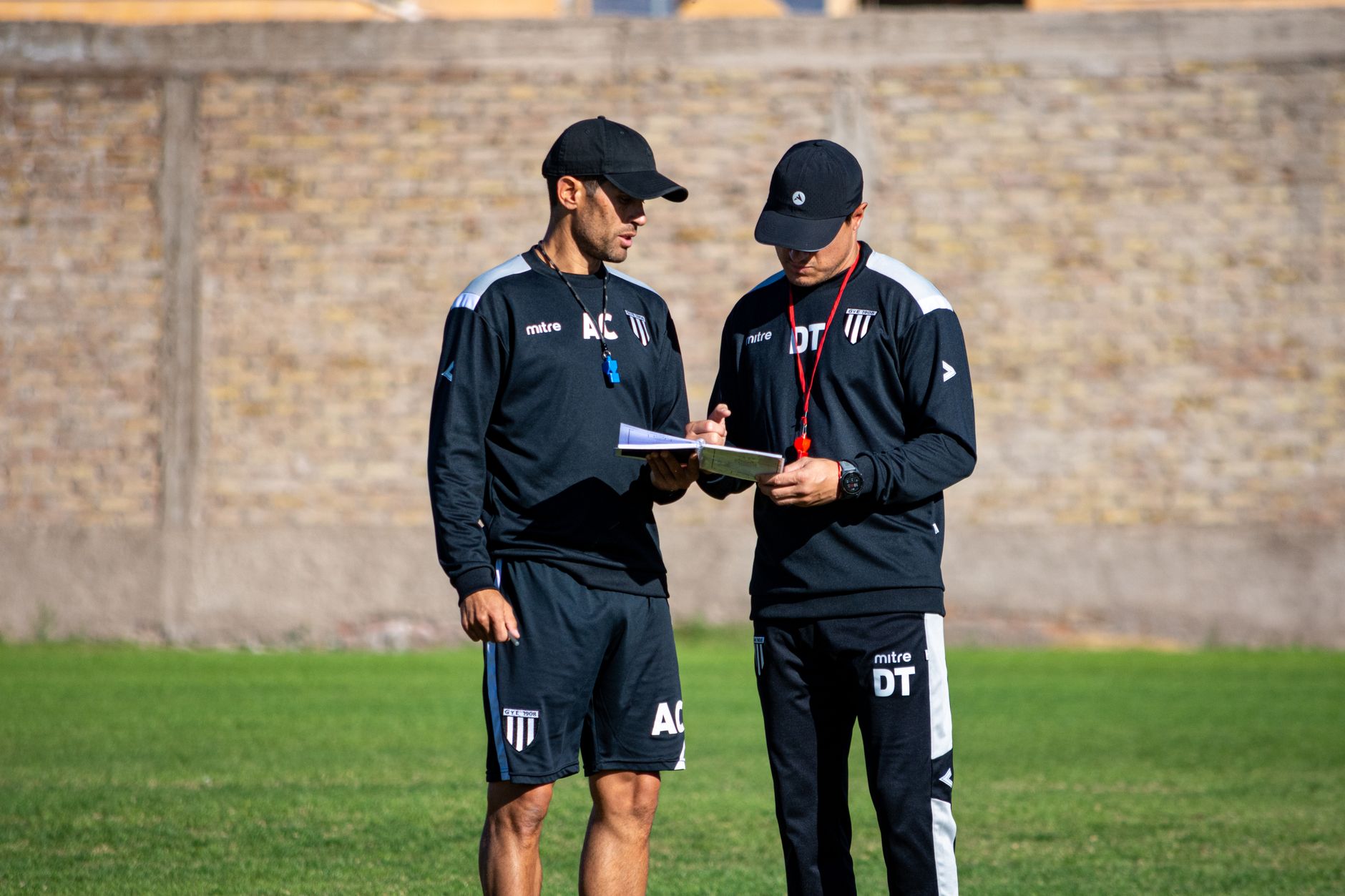
Photo by Franco Monsalvo on Pexels
Round 2: What Did the 2-0 Score Really Reveal?
The 2-0 score revealed a controlled win rather than a wild mismatch. Mexico finished key phases, protected the lead, and avoided unnecessary late pressure. South Africa lost because its attacking sequences broke before the final pass, not because it lacked athletic ability or defensive commitment.
A 2-0 match has a different meaning from a 4-2 match. It tells readers that the winning side managed risk. Mexico’s two goals gave it enough separation to slow the game, recycle possession, and make South Africa chase. That matters in gambling analysis because totals markets often overreact to team names and rankings. A favorite ranked 14 against a team ranked 60 looks like a high-scoring setup, but the actual game state supported a more controlled script. Mexico did not need to force a third goal once South Africa struggled to create clear chances.
The second overlooked insight is substitution timing. In matches like Mexico vs South Africa, the underdog’s most dangerous window usually arrives after the hour mark, when legs tire and structure loosens. Mexico’s disciplined spacing limited that window. This is why live betting should not follow the scoreboard alone. Watch whether the losing team is entering the box with numbers or simply circulating the ball outside pressure. The difference is enormous. Fan Strategy grades these moments through shot quality, field tilt, and possession location rather than raw possession percentage.
[Internal Link: live betting signals for World Cup football]

Photo by Vlad Vasnetsov on Pexels
Round 3: How Should Bettors Read Mexico vs South Africa?
Bettors should read Mexico vs South Africa as a matchup where rankings, tactical control, and defensive protection aligned. Mexico’s 2-0 win supports cautious favorite-side angles, while South Africa’s lack of final-third output warns against chasing underdog goal markets without evidence of shot volume.
Responsible analysis starts with the market type. A moneyline pick on Mexico was supported by FIFA rank, squad depth, and match control. A handicap bet needed more care because 2-0 is comfortable but not explosive. A total-goals bet required even more discipline. Mexico’s dominance did not automatically mean a goal flood. The sharper interpretation was that Mexico controlled South Africa’s counters and built a win without turning the match into a track meet. For a football betting site or content brand like Fan Strategy, that distinction separates professional previews from casual score guessing.
There is also a regulatory and responsibility angle. Gambling content should never present betting as income. Brazil’s Ministry of Finance has warned that “betting is not an investment,” a message widely used in responsible gambling notices across regulated markets. Fans should treat Mexico vs South Africa odds as entertainment pricing, not financial planning. Use fixed stakes, avoid chasing losses, and compare at least three data points before placing a wager: current team news, tactical matchup, and market price movement. The IFAB Laws of the Game also remind readers that football remains governed by simple constraints: “A match is played by two teams, each with a maximum of eleven players.” That makes lineup news central, not optional.
See the details behind smarter football decision-making before your next slip.
The Final Score & Who Should Pick What
The final score was Mexico 2, South Africa 0. Mexico backers got the right side, but the match also rewarded bettors who respected pace control and defensive shape. South Africa showed enough athletic quality to stay relevant in future fixtures, yet this game exposed a clear problem: transition speed means less when the first pass is delayed and the support runners arrive late.
Here is the practical breakdown for future Mexico vs South Africa-style matchups:
- Pick the favorite moneyline when ranking edge and midfield control align.
- Treat handicaps carefully when the favorite prefers control over chaos.
- Avoid automatic over bets when the stronger team protects rest defense.
- Watch live field position before backing the trailing underdog to score.
- Use lineup confirmation as a final checkpoint, not an afterthought.
The broader historical layer adds texture. South Africa hosted the 2010 FIFA World Cup, and Mexico played the opening match of that tournament against South Africa, a fixture documented in the 2010 FIFA World Cup overview. That history gives Mexico vs South Africa extra search interest, but the 2026 result stands on its own. Mexico’s 2-0 win was a modern tournament performance: measured, structured, and professionally closed.
[Internal Link: Mexico national team 2026 tactical preview]

Photo by Anirban Das on Pexels
For continued coverage of match predictions, team tactics, and player stats, follow Fan Strategy throughout the 2026 World Cup.
Frequently Asked Questions
Q: What is Mexico vs South Africa in 2026 football context?
A: Mexico vs South Africa refers to the 12 June 2026 football match that Mexico won 2-0. The fixture drew attention because Mexico was listed at FIFA rank 14 and South Africa at rank 60. That ranking gap shaped expectations, but the final result came from Mexico’s territorial control and superior game management.
Q: How to analyze Mexico vs South Africa before betting?
A: Start with rankings, lineups, tactical style, and live match tempo. For this matchup, Mexico’s rank of 14, South Africa’s rank of 60, and the 2-0 final score point toward a controlled favorite-side profile. Do not rely on team names alone; compare chance quality, field position, and substitution patterns.
Q: What is the difference between Mexico and South Africa tactically?
A: Mexico relied more on structure and midfield control, while South Africa leaned on athletic transitions. In the 2-0 result, Mexico’s spacing reduced counterattack danger and kept South Africa away from high-value shooting zones. South Africa needed faster first passes and closer support runners to threaten more often.
Q: Why did South Africa fail to score against Mexico?
A: South Africa failed to score because its attacks broke before the final action. The team reached transition moments but often started too deep or lacked immediate passing support. Mexico’s rest defense kept enough players behind the ball, which turned South Africa’s speed into long-distance carries rather than clear chances.
Q: Is Mexico vs South Africa useful for World Cup predictions?
A: Yes, the match is useful because it shows how a ranked favorite can win without producing a chaotic goal total. Mexico’s 2-0 victory supports analysis based on control, not only attacking reputation. Future predictions should separate match winner markets from totals and handicap markets.
Q: How much does it cost to follow Mexico vs South Africa analysis?
A: Basic score and ranking information is often free on public sports sites. Deeper betting previews, tactical models, and player-stat analysis usually require a dedicated content platform or subscription. Fan Strategy focuses on World Cup predictions, tactics, and daily insights for fans who want more than a final score.
Thank you for reading.
Fan Strategy · The Sovereign Editorial · Vol. I