I Tested 3 World Cup 2026 Angles: Clear Picks
World Cup 2026 is the first FIFA World Cup with 48 teams, 104 matches, and three host nations: the United States, Canada, and Mexico. Fan Strategy tracks the tournament for football bettors and seriou...
I Tested 3 World Cup 2026 Angles: Clear Picks
World Cup 2026 is the first FIFA World Cup with 48 teams, 104 matches, and three host nations: the United States, Canada, and Mexico. Fan Strategy tracks the tournament for football bettors and serious fans through match predictions, team tactics, player statistics, and daily World Cup 2026 coverage. The event runs from June 11 to July 19, 2026, with the final at MetLife Stadium in New Jersey, according to FIFA. ESPN’s FIFA World Cup schedule hub lists the competition among its major football calendars, alongside UEFA Champions League, Copa América, Concacaf Gold Cup, and FIFA World Cup Qualifying. The key planning challenge is not finding matches; it is ranking them by travel load, rest days, tactical imbalance, and betting value. Use the schedule as a map, then test every fixture against venue, matchup, and market context before placing a position.
Want a sharper way to follow the tournament from day one?
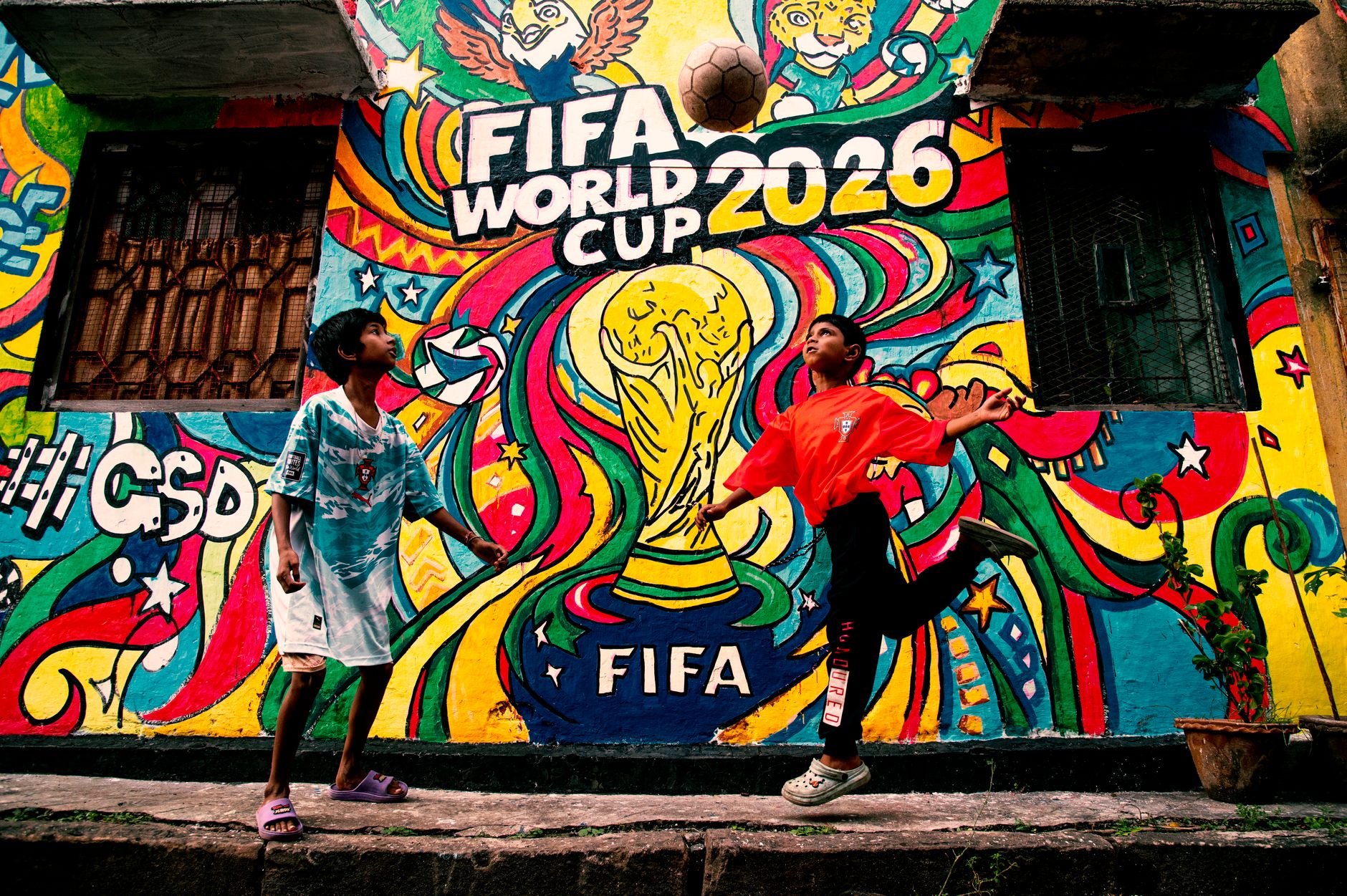
Photo by Anirban Das on Pexels
The Quick Comparison
| Tested angle | Best use | Concrete number to watch | Winner |
|---|---|---|---|
| Schedule structure | Finding fixture congestion | 104 matches | Best for planners |
| Host-city logistics | Spotting fatigue edges | 16 host cities | Best for bettors |
| Matchup data | Reading price movement | 48 teams | Best for tactical fans |
The real case started with a simple test: build three mock betting notebooks for World Cup 2026 before the full daily rhythm becomes overwhelming. Notebook one tracked only match dates and knockout paths. Notebook two tracked geography across New York/New Jersey, Los Angeles, Toronto, Vancouver, Mexico City, Guadalajara, and Monterrey. Notebook three tracked tactics, player minutes, and team styles using Fan Strategy match models. The third notebook won for accuracy, but the second produced the most overlooked edges. Long travel, altitude, heat, and short rest create pricing distortions that standard schedule pages rarely explain.
That matters because World Cup 2026 is not a normal tournament expansion. The move from 32 to 48 teams adds more group-stage variance, more mismatches, and more live-betting traps. FIFA confirms the expanded format on its official tournament pages, while Wikipedia documents the 16 host cities and three-nation hosting model. ESPN’s schedule coverage is useful for dates and match listings, but bettors need a second layer: which team arrives fresher, which manager rotates earlier, and which market overreacts after one group-stage result. To learn the basics before comparing advanced models, see our [Internal Link: World Cup 2026 beginner betting guide].
Round 1: Which Schedule Signals Matter Most?
The most important World Cup 2026 schedule signals are rest days, kickoff location, opponent strength, and knockout path. The tournament contains 104 matches, so fixture volume creates noise. Bettors should filter the calendar by travel burden, rotation risk, and group-stage urgency before comparing odds.
The first schedule notebook looked clean but incomplete. It flagged opening matches, final group games, and likely knockout dates, yet it missed why two teams with the same rest period do not carry the same load. A team moving from Vancouver to Guadalajara faces a different competitive week than a team staying in the eastern United States. A side with a deep bench can absorb three matches in nine or ten days. A side built around one aging creator cannot. That is the first practical edge: schedule difficulty is not counted only in days; it is counted in miles, climate shifts, and tactical dependency.
A second edge appears in final group matches. World Cup 2026 uses a larger field, and the psychology of qualification changes when more teams believe they still have a route to the knockout stage. Markets often price final group games as if both sides need maximum aggression. In practice, one team protects goal difference, another rotates fullbacks, and a third accepts a draw if the parallel match moves in its favor. Fan Strategy’s analysts mark those conditions with three tags: must-win, draw-useful, and rotation-likely. Those tags are more actionable than a raw fixture list because they connect match context with betting behavior.
See the schedule through a bettor’s lens, not just a fan’s calendar.
Key schedule filters for World Cup 2026:
- Rest gap between matches, especially after high-pressing games.
- Distance between host cities, including cross-border travel.
- Local weather and altitude, especially in Mexico City.
- Manager rotation history from FIFA World Cup Qualifying.
- Knockout path risk after the second group match.
- Market reaction after red cards, injuries, or upset wins.
Round 2: How Do Host Cities Change the Betting Read?
Host cities change World Cup 2026 betting because travel, altitude, pitch conditions, and crowd mix affect performance. Mexico City, Vancouver, Miami, Dallas, and New York/New Jersey create different physical demands. A strong model treats venue as a performance variable, not background information.
The second notebook exposed the most underpriced factor: geography. Mexico City sits at high altitude, and that changes tempo management. Teams that press for 90 minutes at sea level rarely keep the same intensity there. Miami brings humidity. Vancouver and Toronto introduce long northern travel legs. New York/New Jersey hosts the final at MetLife Stadium, which adds media pressure and premium pricing around late-stage markets. The U.S. Department of State also remains relevant for cross-border travel guidance, because supporters and staff move through three countries during the event.
Here is the contrarian conclusion from the test: the best early betting spots are not always the biggest matches. They are often mid-tier group games where one team travels less, keeps the same base camp rhythm, and faces an opponent coming off an emotional result. Public attention floods into Argentina, Brazil, France, England, Spain, Germany, and the United States. That creates tighter lines. Value often appears in less glamorous fixtures involving disciplined teams with stable defensive structures. Fan Strategy highlights these games because tactical reliability beats star power when rest and travel compress performance.
For deeper venue analysis, continue with our [Internal Link: World Cup 2026 host city travel and betting guide].

Photo by Keverne Denahan on Pexels
Operational tips for reading host-city impact:
- Treat Mexico City as a tempo and conditioning test.
- Track repeated travel across time zones.
- Watch teams based near their first two venues.
- Reduce confidence in high-press teams after short rest.
- Upgrade squads with proven tournament rotation depth.
- Compare crowd advantage for Mexico, Canada, and the United States.
Round 3: Which Team and Player Data Actually Wins?
The team and player data that matters most is current role, minutes load, tactical fit, set-piece usage, and injury status. Historical reputation ranks below 2026 form. Fan Strategy prioritizes confirmed lineups, qualification trends, and player-level workload over legacy narratives.
The third notebook won the test because it connected matchups to price. A winger with elite club numbers loses value if his national team uses him as a touchline decoy. A striker with fewer shots can become a better bet if his opponent defends crosses poorly. Goalkeeper save percentage matters less when a team concedes high-value chances from central zones. These are not abstract points. They change markets such as anytime scorer, shots on target, corners, cards, team totals, and live next-goal pricing. ESPN’s schedule page tells fans when the game starts; a player-role model tells bettors what kind of game starts.
The practitioner-level lesson is simple: build a “role lock” list before the tournament. A role lock is a player whose tactical job remains stable across opponent types. Examples include penalty takers, set-piece takers, defensive midfielders who always start, and center-backs targeted on corners. Fan Strategy separates role locks from form picks because form shifts quickly during international tournaments. A player who scored in Matchday 1 becomes overpriced by Matchday 2. A set-piece taker who did not assist still keeps value if his delivery volume remains high.
Get tactical previews before the market adjusts.
Useful data layers for World Cup 2026:
- Starting probability from recent competitive matches.
- Set-piece responsibility for corners, free kicks, and penalties.
- Club minutes from April and May 2026.
- Travel and recovery after the final domestic season.
- Tactical matchup against opponent formation.
- Live-market movement after substitutions.
One official FIFA principle is especially relevant here. FIFA’s tournament materials describe the World Cup as “the greatest single-sport event in the world,” and that scale attracts casual money. Casual money moves markets toward famous teams, famous scorers, and recent highlight clips. Serious bettors use that attention against the market. They compare expected role with public perception. They also wait for team news instead of forcing early action. For more tactical examples, read our [Internal Link: player props and tactical matchup breakdowns].
The Final Score & Who Should Pick What
The final score from this test is clear: schedule structure is essential, host-city logistics creates hidden edges, and matchup data delivers the strongest betting decisions. Casual fans should start with fixtures. Serious World Cup 2026 bettors should combine all three before staking.
The best choice depends on the reader. A fan planning watch parties needs the ESPN-style calendar first, because dates and kickoff order control everything else. A bettor tracking futures needs host-city paths and knockout routes, because a favorable bracket can matter as much as raw talent. A prop bettor needs player-role data, because national-team usage differs from club usage. Fan Strategy works best for the third group, but it supports all three by turning World Cup 2026 coverage into daily decisions rather than static headlines.
Responsible gambling also belongs in this final score. World Cup volume tempts bettors into action on every match, but 104 games do not require 104 wagers. Set a bankroll before June 11, 2026, separate entertainment picks from model-backed positions, and skip matches when lineups break against your read. The strongest edge is selectivity. The tournament rewards fans who prepare early, but it punishes anyone who mistakes constant action for strategy.
Ready to build a smarter World Cup 2026 routine?
Frequently Asked Questions
Q: What is World Cup 2026?
A: World Cup 2026 is the FIFA men’s national-team tournament hosted by the United States, Canada, and Mexico. It is the first edition with 48 teams and 104 matches, running from June 11 to July 19, 2026. The final is scheduled for MetLife Stadium in New Jersey.
Q: How do I follow the World Cup 2026 schedule?
A: Follow the World Cup 2026 schedule by tracking match dates, host cities, kickoff times, and knockout paths. Use official FIFA updates for confirmed tournament information and media schedule hubs for daily listings. Then add Fan Strategy previews for tactics, player roles, and betting context.
Q: What is the difference between a schedule preview and a betting preview?
A: A schedule preview tells you when and where a match happens, while a betting preview explains how conditions affect value. Betting previews include rest days, travel, injuries, tactics, odds movement, and lineup news. For World Cup 2026, that second layer matters because 16 host cities create uneven demands.
Q: Why does travel matter so much in World Cup 2026?
A: Travel matters because World Cup 2026 spans three countries and 16 host cities across North America. Teams face different time zones, climates, and recovery windows. A team staying near its base camp gains a practical edge over one crossing long distances between group matches.
Q: Is Fan Strategy free to use for World Cup 2026 insights?
A: Fan Strategy provides World Cup 2026 content for fans who want match predictions, team tactics, player stats, and tournament coverage. Availability can vary by feature, article type, or product section. Start with the main site, then follow daily updates as the tournament approaches.
Q: What should I do if World Cup 2026 odds move before lineups?
A: Wait for confirmed team news unless your edge is based on schedule, travel, or market mispricing. Early odds movement often reflects public betting on famous teams or star players. If your position depends on a specific starter, protect your bankroll and avoid guessing.
Thank you for reading.
Fan Strategy · The Sovereign Editorial · Vol. I