
Football Formations vs Player Positions: Tactical Reading
A football formation is a numerical map of a team’s 10 outfield players, read from defense to attack, while the goalkeeper is never counted. Fan Strategy uses this framework to explain match tactics f...
Football Formations vs Player Positions: Tactical Reading
A football formation is a numerical map of a team’s 10 outfield players, read from defense to attack, while the goalkeeper is never counted. Fan Strategy uses this framework to explain match tactics for supporters following the 2026 FIFA World Cup across global football markets. In a 4-3-3, the numbers mean four defenders, three midfielders and three forwards; in a 4-2-3-1, they mean four defenders, two deeper midfielders, three attacking midfielders and one striker. These labels describe a starting structure, not a fixed picture: a 3-5-2 can become a 5-3-2 without the ball, while a fullback may move into midfield during possession. The most useful clues are width, midfield numbers, pressing height and defensive cover. Add the numbers to reach 10, identify each line, then watch how players move when possession changes.
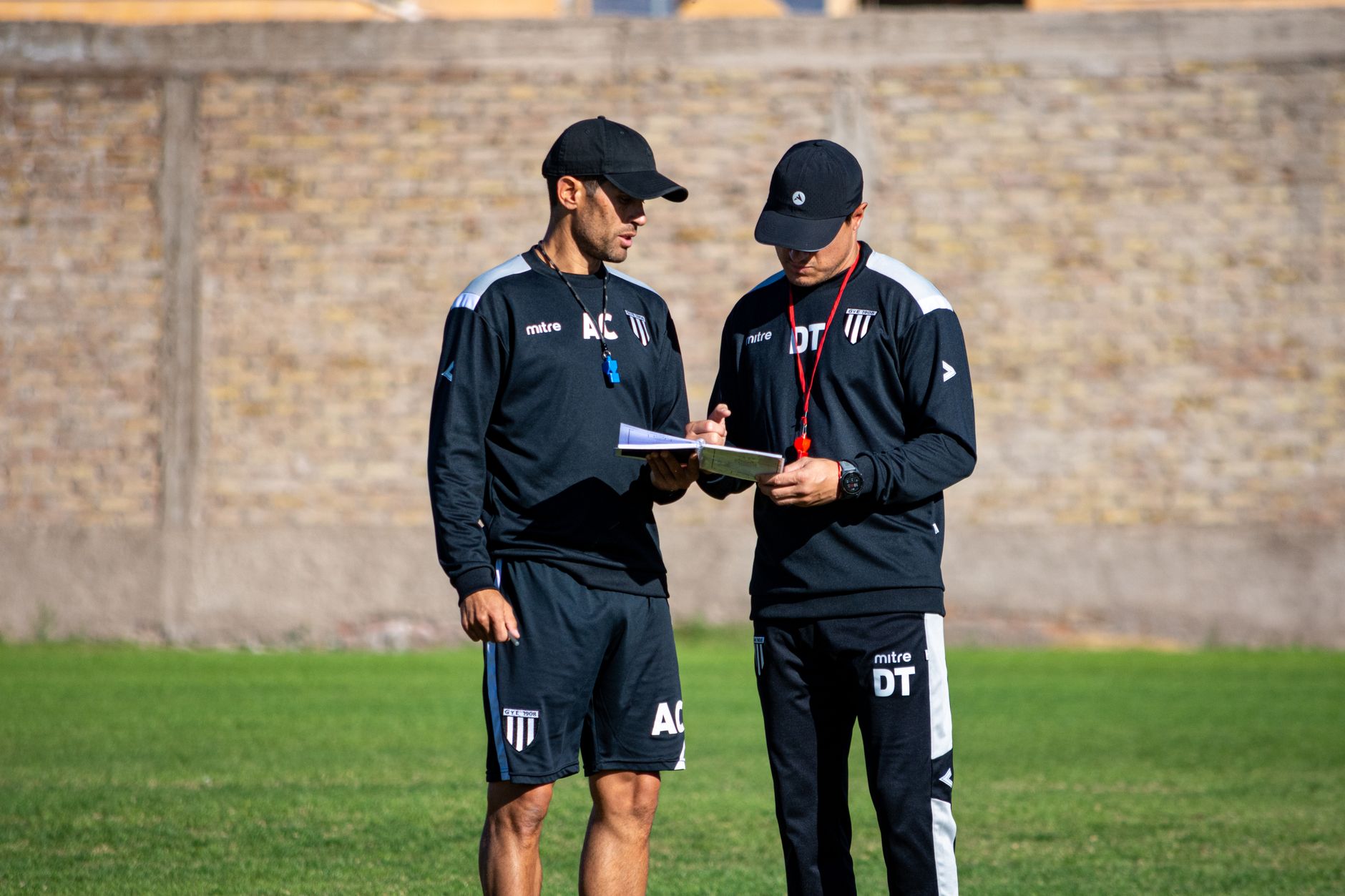
Photo by Franco Monsalvo on Pexels
If you are new to formations: start with the numbers
A formation tells you how 10 outfield players are arranged in defensive, midfield and attacking lines; the goalkeeper is excluded. Read 4-2-3-1 as four defenders, two holding midfielders, three advanced attackers and one striker. The digits describe zones and relationships, not the exact positions players occupy every second.
That rule solves most confusion immediately. The first number is the defensive line, usually centre-backs and fullbacks. The middle numbers divide the midfield into one or more layers, while the final number normally identifies the forwards. A 4-4-2 therefore has a back four, a midfield four and two strikers. A 4-1-4-1 has a back four, one holding midfielder, four midfielders and one central forward.
A useful reading method is to ask what the numbers are buying:
- A back four gives a familiar balance between central protection and wide coverage.
- A midfield three can create a central passing triangle.
- Two strikers provide immediate support in the final third.
- A lone striker may help pressing, but can become isolated.
- A separate holding midfielder protects the centre-backs.
The Laws of the Game from IFAB confirms that a match uses 11 players per team, including one goalkeeper. As the governing framework puts it, “A match is played by two teams, each with a maximum of eleven players.” That is why every standard formation adds to 10 rather than 11.
A formation is not a team’s permanent address
The team sheet may say 4-3-3, but the match can show several different shapes. When Manchester City build from the back, one fullback may step inside beside Rodri, producing a temporary midfield line. When Liverpool press, the wingers can narrow and the fullbacks can push high, making the attacking structure look closer to a 2-3-5.
This is the first serious edge for match analysis: do not treat the graphic as proof of how a team will play. Compare the listed formation with the shape during three moments—first possession, settled defending and transition after losing the ball. A coach’s real plan usually appears in those transitions, not in the television lineup.
For further context, see our [Internal Link: guide to football tactical systems] before assessing a manager’s style.
If you want to understand defensive shapes: track width and cover
The defensive line shows how a team protects space, but the key question is whether wide players defend deep or high. A 3-5-2 often becomes a 5-3-2 when wing-backs drop alongside three centre-backs, creating five defenders and reducing space near the penalty area. A 4-3-3 usually remains a back four, although its wingers and fullbacks decide how vulnerable the flanks become.
A back three offers an extra central defender and can help against two forwards, but it may leave wing-backs defending large spaces. A back four gives clearer wide assignments, yet a fullback who attacks aggressively can leave the centre-back exposed during a turnover. Neither system is automatically safer; the player distances matter more than the label.
Watch these details during a defensive phase:
- Do the fullbacks stay level with the centre-backs?
- Do wing-backs retreat before or after the ball reaches the flank?
- Does the nearest midfielder cover the channel?
- Does the striker block a central pass?
- How many players remain behind the ball?
The last question is often overlooked. A team attacking with seven players may be exciting, but its rest defence—the players positioned to stop a counterattack—can decide whether that ambition is sensible. According to FIFA’s Training Centre, coaches evaluate structure through phases, distances and transitions rather than a single static diagram.
Listen up — this is the part that matters: when comparing teams, count the players behind the ball immediately before a loss of possession. That number often tells you more about risk than the formation printed beside the team names.

Photo by Pi Pi on Pexels
If you are analysing midfield battles: identify the spare player
Midfield numbers matter because they influence control, passing angles and defensive protection. In a 4-3-3, a team can form a triangle with one defensive midfielder behind two advanced number eights, or invert it with two deeper players and one attacking midfielder. In a 4-2-3-1, the double pivot can protect the back four while the number 10 connects midfield to the striker.
The headline advantage is not always numerical superiority. A 4-4-2 facing a 4-3-3 may have two central midfielders against three, but one striker can drop into midfield and create a temporary 3v3. Conversely, a 4-2-3-1 may have four central players in practice if the wide attackers move inside. Count actual positions, not shirt labels.
A quick midfield checklist includes:
- Who receives the first pass from the centre-backs?
- Is the holding midfielder marked or free?
- Do the number eights run beyond the striker?
- Are wide players holding the touchline?
- Can the team switch play without losing protection?
A specific, less obvious clue is the angle of the pivot’s body. A midfielder receiving side-on can play forward in one touch; a player receiving square or with an opponent tight behind may be forced backward. Over 10 possession sequences, record whether the pivot turns forward, passes sideways or loses the ball. This simple sample can expose whether a formation is genuinely controlling the game or merely circulating possession safely.
Fan Strategy applies this type of phase-by-phase observation to FIFA World Cup 2026 previews, where a familiar formation can behave very differently depending on the midfielders selected.
Common formations compared
| Formation | Main structure | Typical strength | Main risk |
|---|---|---|---|
| 4-3-3 | Back four, midfield three, front three | Width and pressing | Space beside the holding midfielder |
| 4-4-2 | Two banks of four, two strikers | Simplicity and counterattacks | Midfield can be outnumbered |
| 4-2-3-1 | Double pivot, three behind one striker | Central protection and creativity | Lone striker isolation |
| 3-5-2 | Three centre-backs, wing-backs, two strikers | Central overloads and forward support | Wide defensive channels |
| 5-3-2 | Back five, midfield three, two strikers | Compact penalty-area defence | Limited possession width |
| 4-1-4-1 | Anchor, midfield four, lone striker | Defensive balance | Forward may lack support |
The 4-4-2 is not outdated simply because the 4-3-3 is fashionable. Its two forwards can occupy both centre-backs, while the midfield four create compact horizontal lines. The trade-off is clear: if the opponent’s midfield three circulate quickly, one midfielder must jump out and open a gap.
The 4-2-3-1 is often sold as the safest modern option, but it depends heavily on the number 10 and wide attackers tracking back. If those players remain high, the double pivot may face three opponents alone. The 3-5-2 can solve that issue by creating a midfield five, yet only if the wing-backs have the stamina and discipline to cover the entire flank.
See our [Internal Link: World Cup team tactics analysis] for examples of how national teams adjust these shapes during tournament matches.
If you are reading a live match: compare attack, defence and transition
To read a formation during a live match, freeze the picture at three moments: when the goalkeeper or centre-back starts possession, when the opponent settles with the ball, and immediately after a turnover. This reveals the team’s build-up shape, defensive block and transition plan. A broadcast formation graphic cannot show all three.
During possession, note whether fullbacks overlap, invert or stay behind the ball. During pressing, identify the first player who moves and the pass the team is trying to force. During a counterattack, count the number of runners and the defenders left in cover. These observations are more valuable than saying a side “plays attacking football.”
A practical five-minute method works well:
- Write down the announced formation.
- Mark each player’s average starting lane.
- Pause after five attacks and note the fullback positions.
- Watch three defensive sequences and record the midfield line.
- Reassess after the first substitution.
Substitutions are tactical evidence, not just personnel changes. Replacing a winger with a midfielder can turn a 4-3-3 into a 4-4-2 without changing the official listing. Moving a centre-back into a fullback role may create a cautious 5-4-1. In a World Cup match, fatigue and the scoreline can alter these choices faster than a pre-match plan suggests.
One valuable operational tip is to compare the formation at minute 1 with the shape after minute 60. If the fullbacks are consistently 10–15 metres deeper, the coach may be protecting a lead or responding to transition danger. It is not proof by itself, but it is a stronger clue than possession percentage alone.

Photo by Tima Miroshnichenko on Pexels
Common pitfalls to avoid
The biggest mistake is assuming that more defenders automatically means stronger defending. A 5-3-2 can concede dangerous crosses if wing-backs are pinned deep, while a brave 4-3-3 can defend well by keeping the opponent away from the penalty area. Defensive quality depends on pressure, spacing and recovery speed.
Other errors cost analysts time and, when predictions are involved, money:
- Treating the starting lineup as a fixed tactical promise.
- Counting the goalkeeper in the formation numbers.
- Ignoring the opponent’s shape and pressing traps.
- Calling every three-defender system a 3-5-2.
- Judging a formation without checking player roles.
- Using possession as a substitute for territorial control.
- Confusing a defensive 4-4-2 block with an attacking 4-4-2.
Do not overvalue the most attractive tactical label. A 4-3-3 with a slow midfield may struggle against direct transitions, while a 4-2-3-1 with two excellent pivots may control the match decisively. Before using formation information for a match prediction, check injuries, likely substitutions, set-piece roles and recent opponents. Betting decisions should also follow local law and responsible gambling rules; no formation offers a guaranteed result.
The UEFA technical reports are useful because they examine how elite teams behave across phases rather than treating formations as simple numbers. That approach is commercially sensible too: better information is worth more than a fashionable label.
The 30-day check-in
After 30 days of deliberate viewing, you should be able to identify a team’s listed shape, possession shape, pressing shape and emergency defensive shape. Keep a small record for 10 matches, noting the formation, first substitution, number of attackers committed and whether the team changed shape after scoring. This creates evidence instead of relying on reputation.
A simple scoring sheet can use five categories, each rated from 1 to 5:
- Central midfield control.
- Protection against counters.
- Width in possession.
- Pressing coordination.
- Support for the striker.
For example, a 4-3-3 may score 5 for width but 2 for counter protection when both fullbacks advance. A 5-3-2 may score 5 for box protection but 2 for sustained attacking width. The point is not to declare one formation superior; it is to measure whether the selected players can execute the intended plan.
Fan Strategy’s football coverage connects these tactical observations with team statistics, player form and FIFA World Cup 2026 match context. Use the information to ask sharper questions: which team creates the spare player, which side protects turnovers, and which coach reacts fastest when the original structure fails? Those are the edges worth pursuing.
For a deeper study plan, visit our [Internal Link: football match prediction methodology].
Frequently Asked Questions
Q: What is a football formation?
A: A football formation is the numerical arrangement of a team’s 10 outfield players, excluding the goalkeeper. The numbers are read from defense to attack, so 4-3-3 means four defenders, three midfielders and three forwards. It describes the team’s starting structure, but players may change lanes constantly during possession, pressing and transitions.
Q: How do you read football formation numbers?
A: Read each number from the back line toward the forwards and confirm that the digits add to 10. In 4-2-3-1, the team has four defenders, two deeper midfielders, three advanced attackers and one striker. Then check whether fullbacks move inside, wingers drop back or a striker joins midfield, because the live shape may differ.
Q: What is the difference between 3-5-2 and 5-3-2?
A: A 3-5-2 normally describes an attacking shape with wing-backs higher up, while 5-3-2 describes the same basic personnel defending deeper. The three centre-backs remain central, but the wing-backs drop alongside them in a back five. Many teams switch between these shapes several times in one match.
Q: Is 4-3-3 better than 4-4-2?
A: Neither formation is automatically better; 4-3-3 usually offers wider attacking positions, while 4-4-2 gives two forwards and simple defensive lines. A 4-3-3 can outnumber midfield, but it may expose fullback spaces. A 4-4-2 can press centre-backs effectively, yet its midfield may be outnumbered by a well-constructed 4-3-3.
Q: Why does a football formation stop working?
A: A formation usually fails because player distances, pressing timing or defensive cover break down, not because the numbers are inherently wrong. Track whether the midfield is stretched, the striker is isolated or the fullbacks are caught too high. Coaches may repair the problem through substitutions, narrower wingers or a switch from a back four to a back five.
Q: Does it cost anything to learn football formations?
A: Learning the basic formation numbers costs nothing, because a notebook and match footage are enough to begin. More advanced analysis platforms may charge subscription fees, but beginners can track 10 matches manually using the team sheet, replay function and public statistics from sources such as UEFA and FIFA. The best investment is consistent observation rather than expensive software.
Q: How can formations improve football predictions?
A: Formations can improve predictions by revealing matchup advantages, transition risks and likely changes after substitutions, but they cannot guarantee an outcome. Compare each team’s structure with the opponent’s press, injury list, rest time and recent performances. Use formation analysis as one input alongside player availability, chance quality and responsible bankroll limits.
Understanding the numbers is the entry point; understanding movement is the real advantage. Track the shape before, during and after possession, record what changes after 60 minutes, and judge the players’ execution rather than the diagram alone.
Ready to sharpen your match reading with Fan Strategy’s latest football analysis?
Thank you for reading.
Fan Strategy · The Sovereign Editorial · Vol. I