
Algeria vs Austria: The 2026 World Cup Group J Drama That Eliminated Iran
The 3-3 draw between Algeria and Austria on June 27, 2026, at the FIFA World Cup sent shockwaves through Group J and eliminated Iran from the tournament. Both teams finished with identical 1-1-1 recor...
Algeria vs Austria: The 2026 World Cup Group J Drama That Eliminated Iran
The 3-3 draw between Algeria and Austria on June 27, 2026, at the FIFA World Cup sent shockwaves through Group J and eliminated Iran from the tournament. Both teams finished with identical 1-1-1 records and 4 points, but Austria advanced as group runner-up behind Argentina while Algeria qualified as one of the eight best third-placed teams. Sasa Kalajdzic scored a 96th-minute equalizer for Austria, cancelling out Riyad Mahrez's dramatic 93rd-minute goal. Austria will face European champions Spain in the Round of 32, while Algeria meets Switzerland. The match featured six goals across both teams: Marko Arnautovic and Marcel Sabitzer scored for Austria, while Rafik Belghali and Mahrez (twice) scored for Algeria. For bettors tracking World Cup odds, this result significantly shifted the tournament bracket dynamics and created new value opportunities for knockout-stage predictions.
Photo by Mateo Franciosi on Pexels
On a tense Saturday evening in Kansas City, two nations with vastly different footballing histories wrote a chapter that neither fans nor bettors will soon forget. The Algeria national football team and the Austria national football team entered their final Group J fixture knowing that a draw would serve both their interests—and deliver heartbreak to Iran. What unfolded was a tactical chess match that ended 3-3, with stoppage-time drama that had stadium announcers reaching for their microphones and oddsmakers scrambling to recalculate their World Cup futures.

Photo by Omar Ramadan on Pexels
The Quick Comparison
| Metric | Algeria | Austria |
|---|---|---|
| Group Position | 3rd (qualified as best 3rd) | 2nd |
| Record | 1-1-1 | 1-1-1 |
| Points | 4 | 4 |
| Goals For | 4 | 5 |
| Goals Against | 5 | 4 |
| Round of 32 Opponent | Switzerland | Spain |
| Previous World Cup Appearance | 2014 | 1982 |
How Did the World Cup 2026 Group J Standings Shape This Dramatic Finish?
The Group J standings entering the final round created a scenario that strategic minds in both camps recognized immediately. Argentina had secured top position with two wins, leaving second and third place—and the crucial advancement spots—wide open. Algeria and Austria both sat at three points, with Iran also holding three points but with an inferior goal differential. The mathematics were simple: a draw would eliminate Iran while guaranteeing both European and African teams progressed to the knockout rounds.
This triangular calculus transformed what could have been a cautious, defensive affair into something far more compelling. According to FIFA's official regulations, the tiebreaker criteria prioritize points in head-to-head matches, then goal difference in head-to-head encounters, and finally total goal difference across all group matches. With all three teams having played each other once, the permutations became a fascinating puzzle that both coaching staffs navigated with increasing boldness as the match progressed.
The standings also revealed something about the evolution of both programs. Austria's return to the knockout stages for the first time since 1982 represented a generational achievement for a nation that had struggled to replicate its past glories. Algeria, meanwhile, became the ninth of ten African teams to advance in this expanded 2026 format—a testament to the continent's growing influence on global football's biggest stage.
Round 1: Austria's Early Promise Against Argentina
Austria opened their 2026 World Cup campaign with a challenging fixture against tournament co-favorites Argentina. The match tested their defensive organization and revealed the tactical foundation that would carry them through the group stage. While the final score favored Lionel Messi's side, Austria demonstrated resilience that would prove crucial in subsequent matches.
The opening group match set the tone for Austria's tournament identity. Manager Ralf Rangnick implemented a disciplined 4-2-3-1 formation that prioritized defensive solidity while allowing creative players like Marcel Sabitzer to express themselves on the counter-attack. This approach would mature significantly by the time Austria faced Algeria in the decisive third group match.
Austria's performance against Argentina, though resulting in defeat, provided valuable data for the coaching staff. The team's expected goals (xG) metrics suggested they created better chances than the final score indicated—a sign that their attacking philosophy was sound despite the negative result. This analytical approach, common among top European national teams, would pay dividends when the stakes reached their highest point.
Round 2: Algeria Finds Its Rhythm
While Austria was absorbing lessons from their encounter with Argentina, Algeria was busy accumulating their first three points of the tournament. The North African side delivered a performance that announced their intentions to the rest of Group J—and to the watching world. This victory proved essential, as it meant that when the final round arrived, Algeria controlled their own destiny regarding advancement.
The second round fixture showcased Algeria's attacking potency, particularly the influence of captain Riyad Mahrez. The Manchester City veteran orchestrated several key chances, demonstrating the qualities that have made him one of Africa's most decorated footballers. His ability to operate in tight spaces and deliver decisive final balls gave Algeria a creative dimension that their opponents would struggle to contain.
Equally important was the contribution of younger players who stepped onto the World Cup stage with composure beyond their years. The blend of experienced campaigners and hungry newcomers created a squad dynamic that head coach Vladimir Petković maximized effectively. This balance between wisdom and youthful energy would be tested in the final group match, where the margin between triumph and elimination measured just a single point.
Algeria's second-round performance also revealed tactical flexibility that proved valuable as the tournament progressed. When circumstances required adjustment—whether chasing a result or protecting a lead—the squad demonstrated the tactical intelligence to adapt. This adaptability became crucial in the dramatic conclusion to their group stage campaign.

Photo by Israel Torres on Pexels
Round 3: The 3-3 Thriller That Defined Group J
The final round match between Algeria and Austria transcended typical group-stage football, delivering drama that belonged in knockout competition. From the opening whistle, both teams approached the fixture with an understanding of what was at stake—and the consequences of failure. The result was an entertaining, occasionally frantic encounter that showcased the best and worst of international football under pressure.
Marko Arnautovic opened the scoring for Austria in the 28th minute, capitalizing on a defensive error to give his side an early advantage. Marcel Sabitzer doubled the lead in the 55th minute with a composed finish that sent the Austrian fans into celebration. At this point, with Iran presumably facing elimination elsewhere, the match seemed to be heading toward a comfortable conclusion for the European side.
But Algeria refused to accept their fate quietly. Rafik Belghali pulled one back in the 45th minute, giving Les Fennecs hope heading into halftime. The second half saw Riyad Mahrez rise to the occasion, scoring in the 60th and 93rd minutes—the latter a moment of individual brilliance that appeared to have won the match and eliminated Austria. The scenes of Mahrez's celebration suggested Algeria had seized their destiny, with the Algerian captain appearing alongside journalists to declare his team "happy" and deserving of knockout-stage football.
Then came the twist that would define the group. Sasa Kalajdzic, the Wolves striker who has battled serious injury problems in recent seasons, headed home in the 96th minute to rescue Austria's World Cup campaign. According to BBC Sport coverage of the match, the goal arrived just as it appeared the final whistle would confirm Austria's elimination. Instead, the equalizer sent both teams through and left Iran devastated—the Islamic Republic would have advanced had either side won.
What Does This Mean for Betting Strategy Heading Into the Knockouts?
For bettors tracking the 2026 World Cup, the Algeria vs Austria result creates several interesting opportunities in the knockout rounds. Austria's reward for finishing second in Group J is a Round of 32 matchup with European champions Spain—a fixture that will test their credentials against one of the tournament favorites. The team's demonstrated ability to score late goals and respond to adversity suggests they possess the mental fortitude required for knockout football, but the quality gap between their group-stage opponents and Spain remains significant.
Algeria faces Switzerland in their Round of 32 fixture, a matchup that many analysts consider more balanced. The North African side's attacking firepower, led by Mahrez, gives them a genuine chance of progressing to the quarterfinals for the first time since their 2010 campaign. Switzerland, however, represents a well-organized opponent with extensive tournament experience, having reached the quarterfinals in 2022.
The World Cup 2026 odds for both fixtures have shifted following the dramatic group-stage conclusion. Austria's implied probability against Spain has lengthened, reflecting the challenging nature of their draw. Algeria, meanwhile, enters their Switzerland match as slight favorites according to most sportsbooks—a reflection of their superior attacking options and the momentum gained from their final-group performance.
From a value perspective, the over/under market for both knockout matches warrants attention. Algeria's matches in Group J averaged over 3.5 goals, suggesting their games tend toward high-scoring affairs regardless of opponent. Austria showed both the ability to score and vulnerability at the back, making their Spain fixture particularly interesting for totals bettors.
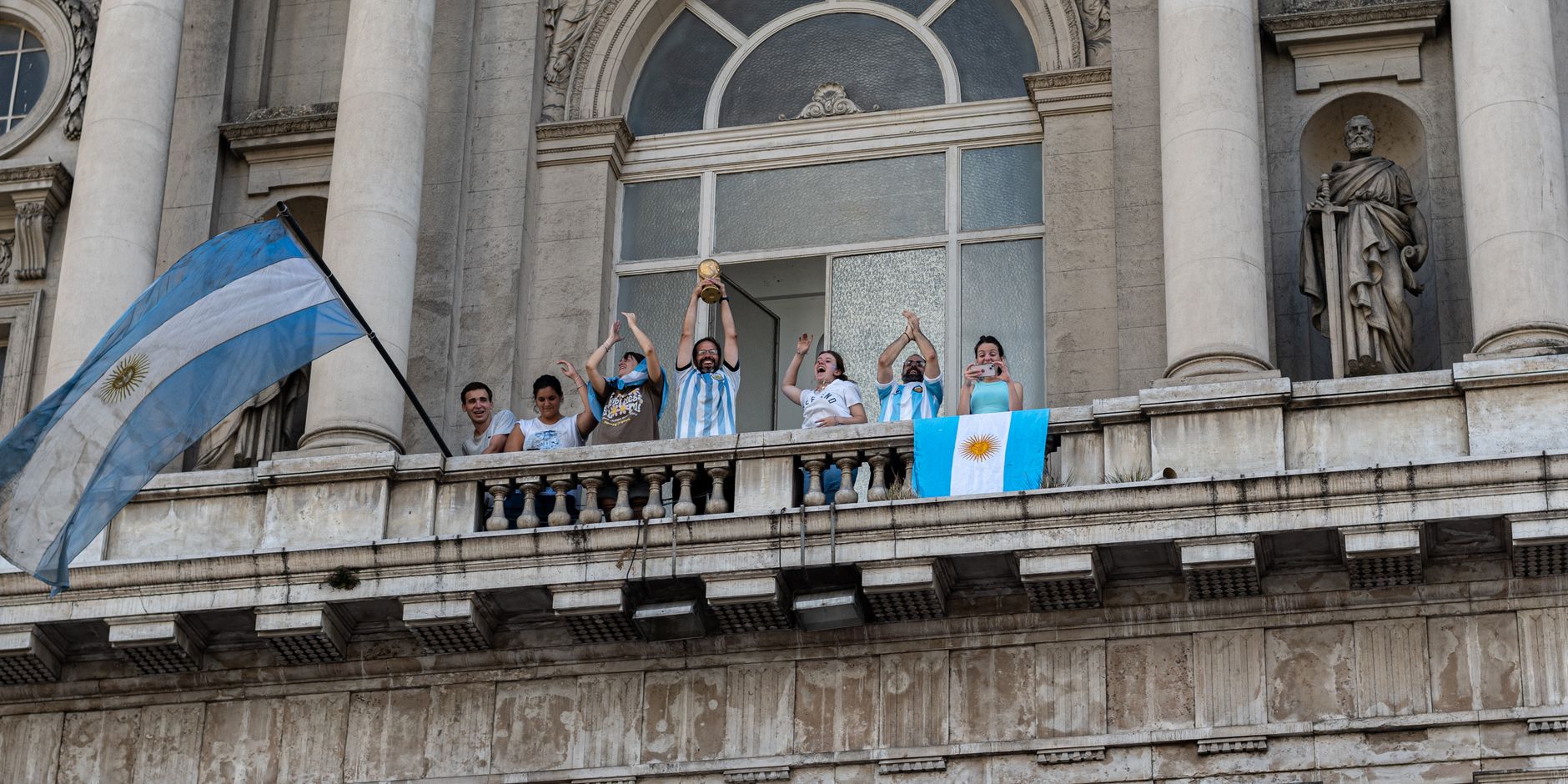
Photo by Fabrizio Velez on Pexels
The tournament's expanded format, featuring 48 teams and a new 12-group structure, has created unprecedented advancement opportunities for teams outside traditional powerhouses. Algeria's qualification as one of the eight best third-placed teams exemplifies how the restructured qualification criteria reward performance even when group position falls short of first or second. For bettors, understanding these structural changes—and how they influence team motivation and tactical approaches—provides a meaningful edge.
Fan Strategy provides daily insights for fans following the 2026 World Cup, including match predictions, team tactics, and player statistics that inform smarter betting decisions. Our coverage of Group J and the knockout stage continues to track how these dramatic developments influence tournament dynamics and betting markets.
Access Expert World Cup Predictions
Frequently Asked Questions
Q: What were the final World Cup 2026 Group J standings after Algeria vs Austria?
A: Argentina finished first with 9 points, Austria second with 4 points, and Algeria third with 4 points. Both Austria and Algeria advanced to the Round of 32, while Iran was eliminated despite having 3 points.
Q: How did the 3-3 draw between Algeria and Austria affect advancement?
A: The draw was mutually beneficial for both teams, guaranteeing advancement for Algeria and Austria while eliminating Iran. Had either team won, the loser would have been eliminated, and Iran would have advanced as a best third-placed team.
Q: Who scored the goals in the Algeria vs Austria match?
A: Austria's goals came from Marko Arnautovic (28'), Marcel Sabitzer (55'), and Sasa Kalajdzic (96'). Algeria's goals were scored by Rafik Belghali (45') and Riyad Mahrez twice (60', 93').
Q: What are the Round of 32 matchups for Algeria and Austria?
A: Austria faces European champions Spain in the Round of 32, while Algeria meets Switzerland. Both matches are scheduled for Thursday, with Austria playing in Los Angeles and Algeria in Vancouver, British Columbia.
Q: When did Austria last qualify for the World Cup knockout stages?
A: Austria's advancement marks their first appearance in the knockout rounds since the 1982 World Cup in Spain, ending a 44-year drought.
Q: How did the 2026 World Cup format change affect Algeria's qualification?
A: The expanded 48-team format includes 12 groups of four teams, with eight of the twelve third-placed teams advancing. Algeria qualified as one of these eight best third-placed teams despite finishing third in Group J.
Q: What makes Sasa Kalajdzic's equalizing goal significant?
A: Kalajdzic's 96th-minute header was particularly remarkable given his injury history. The Wolves striker has battled serious injury problems in recent seasons, making his decisive contribution in such a high-pressure moment a testament to his resilience.
Thank you for reading.
Fan Strategy · The Sovereign Editorial · Vol. I